


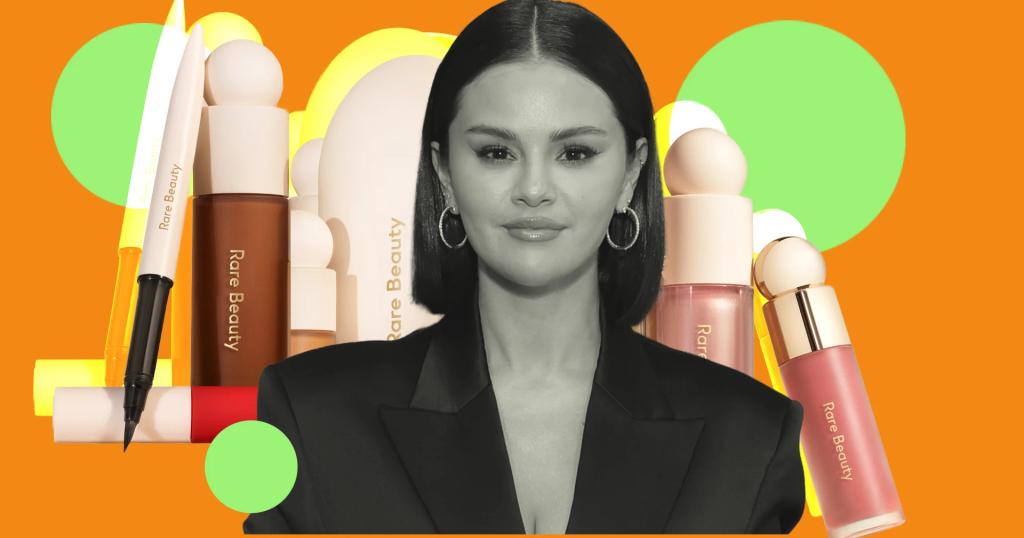
As skepticism rises, Rare Beauty’s data-backed mental health work shows that authentic impact still resonates with Gen Z, our CEO shares with Inc. Magazine.
You’ve probably heard that the days of brands embracing social impact are over. “Purpose” used to be the go-to shortcut for earning audience trust and loyalty, particularly from Gen Z who were seen as being more sustainability focused and socially minded. But now, many brands have retreated from those ambitions, claiming that it never delivered brand growth anyway.
Then there’s multibillion dollar cosmetics brand Rare Beauty. Not only is it the standard bearer in celebrity-founded cosmetics brands, but its business remains intrinsically tied to its commitment to social impact. What makes Rare Beauty different is that the impact isn’t vague. It’s not just messaging. It’s measurable, and it’s built into the structure of the brand—with nonprofit grants that have reached approximately 2.2 million young people, supported 29,000 educators, and touched over 600,000 community members through their partner organizations. It’s also helped develop 134 mental health resources and mobilized $100 million to expand access to youth mental health services and education globally.
In particular, you can feel Rare Beauty’s commitment to its mission on social, where it’s built a loyal community that champions its focus on self care and mental health. Online, Rare Beauty shows a level of emotional intelligence that most companies struggle with. Its tone is vulnerable without being performative and supports followers in a way that’s not preachy, but meaningful. It doesn’t overexplain or overproduce messages around it. Because of this, its audience meets it where it is, and that trust shows up in its earnings and how people engage with the brand daily.
Even with skepticism on the rise, Rare Beauty shows what’s possible when a brand is authentic and doesn’t use social causes as a cynical social media marketing tactic. Here’s how to follow its lead:
1. Tie the cause to something real
Rare Beauty’s Rare Impact works because its focus on mental health mirrors the personal journey of its founder Selena Gomez. On social media, this translates into posts that center Selena as the face and voice of the initiative, using her profile to promote Rare Impact’s work, get people involved and provide a healthy dose of positive reinforcement. Similarly, other brands need to start with what they actually care about and where they can show up with credibility. If the cause feels bolted on, like you threw a dart at a board and just picked one, the audience will treat it like an ad.
2. Make the impact ongoing and visible
Once you find the cause, make it a constant presence in your brand story. Social impact builds trust when it shows up repeatedly, and you can’t just do that throughout relevant “awareness months.” For example, aside from beauty content, Rare Beauty’s page constantly gives supportive, mental health reminders to its community. Going even further, Selena continually works to embrace other causes that impact her followers, resulting in products that shift expectations within the beauty industry. She went as far as to create a perfume with a pump made for those, like herself, with arthritis-borne dexterity issues—raising awareness in the process.
3. Lead with community and drop the corporate messaging
Rare Beauty doesn’t position itself as the hero. It creates space for people to show up, share, and feel connected. Instead of passively liking a post, people comment, share, and relate. As a result, its social accounts feel less like a company telling you what it supports and more like a group of people standing for the same thing together. For brands, that’s the shift to aim for. When impact becomes something your audience participates in, engagement stops being transactional and opens a space for meaningful conversation.
More than anything, it’s important to remember that social impact is not meant to simply fill up your content calendar. Embracing any cause has to come with real respect and principles behind it, as well as actual support from your community and your employees, so it becomes something people rally around and learn from. When done right, that passion can become contagious and build lasting connections while affecting meaningful change. That’s a strategy worth investing in.
Featured Image: Courtesy Rare Beauty; Getty Images